
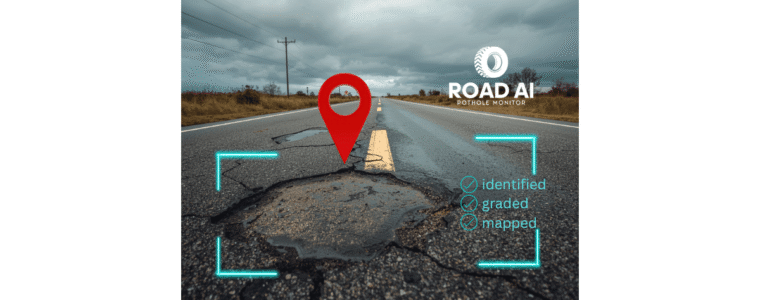
Road networks are evolving rapidly. Across the UK, transport authorities are adopting Road AI systems and smart transport technologies to improve safety, reduce congestion, and enable faster, data‑driven decision‑making.
At the heart of this transformation lies one critical requirement: reliable, real‑time connectivity.
In this article, we explore how smart transport connectivity enables Road AI systems to function effectively, why real‑time data matters for safer roads, and how resilient mobile networking underpins modern intelligent transport infrastructure.
What Is Road AI?
Road AI refers to the use of artificial intelligence applied to roadside and transport environments. These systems typically analyse live data from:
- Cameras and sensors
- Edge computing devices
- Traffic signals and roadside units
- Connected vehicles and infrastructure
Using AI and machine learning, Road AI systems can:
- Detect incidents in real time
- Identify dangerous behaviour or conditions
- Monitor traffic flow and congestion
- Support enforcement and safety initiatives
- Trigger alerts and automated responses
Road AI enables authorities to move from reactive road management to proactive and predictive safety strategies.
The Role of Real‑Time Data in Road Safety
Road conditions can change in seconds. Incidents, sudden congestion, and hazardous behaviour demand immediate awareness and response.
For Road AI, timing is critical:
- Late data reduces the value of AI insights
- Delayed alerts can increase incident severity
- Interrupted connectivity undermines trust in the system
This is why Road AI depends on continuous, real‑time data transmission between roadside assets and control centres.
Smart Transport Connectivity: More Than Just Bandwidth
Smart transport connectivity is often mistaken for raw speed alone. In reality, Road AI systems require a balance of:
- Low latency – for real‑time decision‑making
- High uptime – to avoid blind spots
- Predictable performance – regardless of location
- Secure access – for critical infrastructure
- Scalability – to support growing deployments
Connectivity failures do not just affect operations—they directly impact safety outcomes.
Why Mobile Connectivity Is Essential for Road AI
Many roadside locations face practical constraints:
- No fixed broadband availability
- High deployment and maintenance costs
- Long installation times for fibre
- Physical exposure and vandalism risks
Mobile connectivity—using 4G and 5G—offers:
- Rapid deployment
- Wide geographic reach
- Flexibility for temporary or evolving infrastructure
However, standard mobile connectivity alone is not enough for safety‑critical applications.
Overcoming Mobile Network Limitations
Mobile networks can suffer from:
- Coverage gaps
- Congestion during peak traffic
- Localised outages
- Performance variability
For Road AI systems, these issues introduce unacceptable risk.
Modern smart transport connectivity strategies address this by using:
- Multi‑network connectivity
- Bonded cellular solutions
- Real‑time performance monitoring
This ensures that no single network issue can disrupt operations.
Real‑Time Connectivity at the Roadside
Road AI deployments typically consist of:
- AI cameras and sensors
- Edge compute units
- Local routers or gateways
- Secure backhaul to control systems
Each component relies on always‑on connectivity to transmit:
- Live video or imagery
- Metadata and alerts
- AI inference results
- Health and status data
Any loss of connectivity creates a blind spot in road monitoring.
Smart Transport Use Cases Enabled by Connectivity
Incident Detection and Rapid Response
AI systems can identify:
- Accidents
- Stopped vehicles
- Debris or hazards
- Abnormal traffic behaviour
Real‑time connectivity enables alerts to reach operators immediately, reducing response times and secondary incidents.
Traffic Flow and Congestion Management
Road AI helps optimise:
- Signal timing
- Lane usage
- Traffic routing
These systems depend on consistent, low‑latency data feeds from multiple locations across the network.
Enforcement and Safety Monitoring
AI cameras are increasingly used to detect:
- Speed violations
- Unsafe manoeuvres
- Restricted‑lane usage
Secure, reliable connectivity ensures evidence data is transmitted and stored correctly.
Temporary and Mobile Deployments
Smart transport initiatives often include:
- Temporary monitoring zones
- Roadworks and diversions
- Event‑driven traffic management
Mobile connectivity allows Road AI systems to be deployed and reconfigured quickly without permanent infrastructure.
Security and Control in Smart Transport Connectivity
Road AI systems are part of critical national infrastructure. Connectivity must therefore meet strict security requirements.
Key considerations include:
- Controlled inbound access to roadside devices
- Network segmentation
- Encrypted data transmission
- Predictable device addressing
Technologies such as fixed IP SIMs and secure VPN architectures enable safe remote access without exposing systems to unnecessary risk.
Edge Computing and Connectivity
Many Road AI solutions now process data at the edge to:
- Reduce backhaul requirements
- Improve response times
- Continue operating during temporary disruptions
Even so, connectivity remains essential for:
- Centralised oversight
- Data aggregation
- Model updates
- System health monitoring
Edge intelligence complements connectivity—it does not replace it.
Building Resilient Smart Transport Networks
Resilient smart transport connectivity combines:
- Multiple mobile networks
- Intelligent traffic routing
- Performance‑aware bonding
- Secure access models
This layered approach ensures Road AI systems continue to operate even under adverse network conditions.
How EMS Supports Road AI and Smart Transport Connectivity
EMS delivers connectivity solutions designed specifically for transport and roadside environments, supporting:
- Road AI systems
- Smart transport infrastructure
- AI cameras and edge devices
- Temporary and permanent roadside deployments
EMS solutions integrate:
- Multi‑network mobile connectivity
- Bonded cellular routers for uptime
- Fixed IP SIMs for secure access
- Architectures tailored to UK road networks
This ensures real‑time data flows remain reliable, secure, and operationally dependable.
The Future of Road AI Depends on Connectivity
As Road AI capabilities continue to evolve—from advanced analytics to autonomous response—connectivity will remain the foundation.
Smarter roads are not built on AI alone. They are built on:
- Always‑on networks
- Real‑time data delivery
- Resilient, secure transport connectivity
Without these, even the most advanced AI systems cannot deliver safer outcomes.
Final Thoughts
Road AI and smart transport technologies are transforming how roads are monitored, managed, and made safer. But AI can only act on the data it receives—and only if that data arrives on time.
Real‑time, resilient smart transport connectivity is what allows Road AI to move from insight to action.
For organisations responsible for road safety, investing in connectivity is not a technical detail—it is a core safety decision.
Related EMS Articles
- Using Fixed IP SIMs for CCTV, AI Cameras, and Edge Devices
- What Is Bonded Cellular Networking? A Complete Guide for UK Businesses
- How Multi‑Network Bonding Improves Uptime in Mobile Operations