
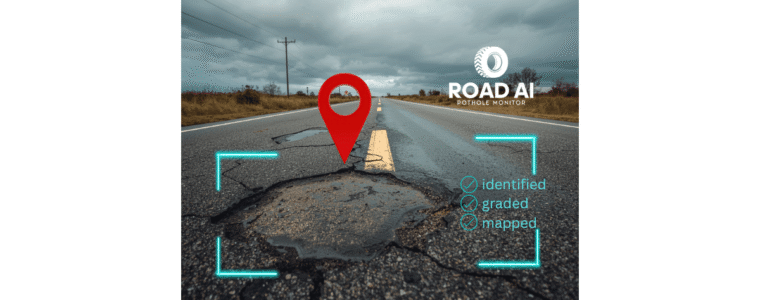
As Road AI deployments expand across the UK, a common question arises:
What connectivity does Road AI actually require to work reliably in real‑world conditions?
While Road AI is often discussed in terms of cameras, sensors, and algorithms, its effectiveness depends just as much on the network architecture connecting those systems together. Poor connectivity can undermine even the most advanced AI models.
In this article, we break down the core connectivity requirements for Road AI, explain how AI edge networking changes traditional assumptions, and outline what transport organisations should prioritise when designing roadside networks.
Road AI Connectivity Is Not “Just an Internet Connection”
Road AI systems operate in environments that are:
- Safety‑critical
- Distributed across large geographic areas
- Exposed to variable network conditions
- Required to function continuously
As a result, road AI connectivity must meet standards well beyond basic mobile internet access.
The key requirements fall into five main categories:
- Uptime and resilience
- Latency and responsiveness
- Bandwidth consistency
- Secure access and control
- Scalability across locations
1. Always‑On Connectivity and High Uptime
Road AI systems cannot tolerate long or frequent outages.
Connectivity is required to:
- Transmit live or near‑real‑time data
- Deliver alerts and incident notifications
- Maintain system monitoring and health checks
- Support enforcement and evidential workflows
Even brief connectivity loss can create blind spots in road monitoring.
Why single‑network connectivity falls short
Relying on a single mobile network introduces risk from:
- Localised coverage gaps
- Congestion during peak traffic hours
- Planned or unplanned outages
High‑availability Road AI systems require resilient connectivity architectures that prevent single points of failure.
2. Latency Matters More Than Raw Speed
Road AI does not always require maximum throughput—but it does require predictable latency.
Low and consistent latency is essential for:
- Incident detection and response
- Time‑sensitive alerts
- Integration with traffic management systems
- Edge‑to‑centre synchronisation
High bandwidth with unstable latency can be more damaging than lower bandwidth with predictable performance.
3. Bandwidth Requirements Are Variable but Continuous
Bandwidth requirements in Road AI systems vary depending on where processing takes place.
Typical data flows include:
- Video streams (full‑time or event‑based)
- AI inference metadata
- Alerts and control signals
- Health and diagnostics
Many modern deployments reduce backhaul load by using edge processing, but connectivity is still continuous, not occasional.
This places a premium on:
- Sustained throughput rather than peak speed
- Performance stability under changing network conditions
4. AI Edge Networking Changes the Architecture
AI edge networking refers to architectures where data is processed locally—at or near the roadside—rather than entirely in a central data centre.
Benefits of AI edge networking
- Reduced bandwidth usage
- Faster local decision‑making
- Continued operation during short disruptions
However, edge processing does not eliminate connectivity requirements.
Connectivity is still required for:
- Centralised oversight
- Event escalation and coordination
- AI model updates
- Performance monitoring and compliance
AI edge networking complements connectivity—it does not replace it.
5. Secure Inbound and Outbound Connectivity
Road AI systems form part of critical national infrastructure, making security a primary concern.
Connectivity must support:
- Controlled inbound access to roadside devices
- Secure outbound data transmission
- Network segmentation
- Auditable traffic flows
Unpredictable addressing or uncontrolled public exposure increases security risk and operational complexity.
Technologies such as fixed IP addressing, VPNs, and controlled access policies play an important role in meeting these requirements.
Connectivity Types Commonly Used in Road AI
Mobile Connectivity (4G and 5G)
Mobile connectivity remains the foundation of most Road AI deployments due to:
- Speed of deployment
- Geographic reach
- Suitability for roadside locations
However, how mobile connectivity is used is more important than which generation is used.
Multi‑Network Connectivity
Using multiple mobile networks improves:
- Coverage consistency
- Resilience against outages
- Performance during congestion
Multi‑network designs are especially valuable in regional and rural road networks.
Bonded Cellular Connectivity
Bonded connectivity allows multiple live connections to be used simultaneously, improving:
- Uptime
- Session continuity
- Overall reliability
For Road AI, this can prevent data loss during transient network issues.
Road AI Connectivity vs Traditional CCTV Connectivity
While Road AI often builds on CCTV infrastructure, its connectivity requirements are more demanding.
| Requirement | Traditional CCTV | Road AI |
| Latency Sensitivity | Low | High |
| Data Criticality | Moderate | High |
| Uptime Requirement | Important | Mission‑critical |
| Security Requirement | Moderate | High |
| Edge Processing | Rare | Common |
Road AI connectivity must support decision‑making, not just video transport.
Temporary vs Permanent Road AI Deployments
Road AI is used in both:
- Permanent roadside installations
- Temporary deployments (roadworks, events, trials)
Connectivity solutions must therefore be:
- Rapid to deploy
- Flexible to reconfigure
- Consistent in performance
Mobile‑first architectures are often the only practical way to meet these needs without extensive civil works.
Scaling Road AI Connectivity Across a Network
As Road AI deployments expand, connectivity designs must scale without becoming operationally complex.
Key scaling considerations include:
- Centralised management and monitoring
- Predictable device addressing
- Consistent security policies
- Repeatable deployment models
Connectivity that works for one camera must also work for hundreds—without increasing risk or management overhead.
How EMS Approaches Road AI Connectivity
EMS designs road AI connectivity solutions based on real‑world transport environments, not idealised lab conditions.
EMS solutions support:
- AI edge networking architectures
- Mobile, multi‑network, and bonded connectivity
- Secure access to roadside devices
- Predictable performance across UK road networks
By focusing on uptime, latency, and security together, EMS helps ensure Road AI systems deliver reliable safety outcomes.
Final Thoughts
Road AI is only as effective as the network that supports it.
Successful deployments depend on resilient, low‑latency, secure connectivity that accommodates edge processing while maintaining central control and visibility.
For organisations planning or expanding Road AI initiatives, asking “What connectivity does Road AI actually require?” is the right starting point—because without the right network foundation, even the most advanced AI cannot deliver safer roads.
Related EMS Articles
- Road AI & Smart Transport: How Real‑Time Connectivity Enables Safer Roads
- Using Fixed IP SIMs for CCTV, AI Cameras, and Edge Devices
- How Multi‑Network Bonding Improves Uptime in Mobile Operations