
Reliable internet is now mission-critical for UK businesses. From cloud applications and VoIP systems to remote working and customer transactions, connectivity underpins almost every operation. Yet many organisations still struggle with slow speeds, outages, and inconsistent performance—especially outside major cities.
Enter bonded routers—a powerful solution designed to combine multiple internet connections into one fast, resilient link.
In this guide, we explain what bonded internet is, how bonded routers work, and why UK businesses are increasingly adopting them.
What Is a Bonded Router?
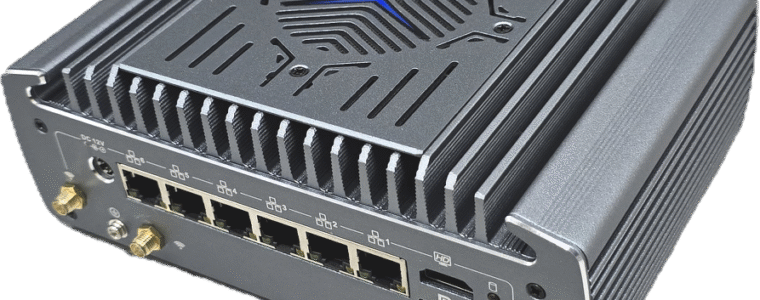
A bonded router is a networking device that combines two or more internet connections into a single, unified connection. Instead of relying on one broadband line, it “bonds” multiple lines—such as fibre, DSL, 4G/5G, or satellite—into one.
This process is known as internet bonding (or “bonded internet”).
The result is a connection that is:
- Faster – bandwidth from multiple links is combined
- More resilient – if one line fails, others keep you online
- More stable – traffic is intelligently distributed
In simple terms, a bonded router turns several ordinary connections into one high-performance business-grade connection.
What Is Bonded Internet and How Does It Work?
Bonded internet works by splitting data traffic across multiple connections simultaneously and reassembling it at its destination.
Here’s a simplified breakdown:
- Your business has multiple internet lines (e.g., fibre + 5G).
- The bonded router distributes outgoing data packets across these connections.
- A bonding service (often hosted in the cloud or a data centre) receives and recombines the data.
- To the end user, everything appears as one fast, seamless connection.
Key Technologies Behind Bonding
Bonded routers typically use:
- Packet-level bonding – splits traffic at a granular level for maximum speed
- Load balancing – distributes traffic across connections
- Failover capability – automatically switches traffic if a line drops
- WAN optimisation – reduces latency and packet loss
Unlike simple load balancing, true bonding allows a single session (e.g. video call or file upload) to use multiple connections at once.
Why UK Businesses Need Bonded Routers
Connectivity challenges are still common across the UK, particularly in rural areas or older buildings where full fibre is unavailable.
A bonded router solves several key problems:
1. Boosting Internet Speed
If your business is limited to slower broadband options, bonding multiple lines can significantly increase available bandwidth.
For example:
- 2 × 40 Mbps lines = up to 80 Mbps combined
This is ideal for:
- SMEs with growing data needs
- Creative industries handling large files
- Businesses using cloud platforms
2. Ensuring Business Continuity
Downtime costs money. A single broadband failure can:
- Disrupt operations
- Impact customer service
- Halt online sales
With a bonded router:
- If one connection fails, traffic is rerouted instantly
- Your business remains online without interruption
This level of resilience is especially valuable for:
- Retail and e-commerce
- Financial services
- Healthcare providers
- Remote teams
3. Enabling Remote and Hybrid Work
Modern businesses rely heavily on:
- Video conferencing (Teams, Zoom)
- SaaS applications
- VPNs and secure access
Bonded internet ensures:
- Stable video calls
- Low latency connections
- Consistent remote access
4. Unlocking Connectivity in Hard-to-Reach Areas
In rural or underserved UK locations, fibre access may be limited.
Bonded routers allow businesses to combine:
- DSL connections
- 4G / 5G mobile networks
- Fixed wireless links
This provides a practical alternative to expensive leased lines.
Bonded Router vs Leased Line: What’s the Difference?
Many UK businesses compare bonded solutions with leased lines.
| Feature | Bonded Router | Leased Line |
| Cost | Lower | Higher |
| Installation time | Fast | Weeks/months |
| Speed | Scalable (add lines) | Fixed |
| Resilience | Very high (multi-line) | High (single dedicated line) |
| Availability | Widely available | Limited in some areas |
Bonded routers are often a cost-effective alternative to leased lines, particularly for SMEs.
Types of Connections You Can Bond
One of the biggest advantages of bonded internet is flexibility.
You can combine:
- Fibre broadband (FTTC / FTTP)
- ADSL
- 4G / 5G mobile data
- Satellite internet
- Fixed wireless connections
This allows you to build a hybrid network tailored to your location and needs.
Common Use Cases for Bonded Internet
1. Retail & Hospitality
- Ensure card payment systems stay online
- Deliver seamless guest WiFi
- Maintain uptime during peak periods
2. Construction & Temporary Sites
- Rapid deployment without fixed infrastructure
- Combine mobile networks for strong connectivity
- Ideal for remote or temporary environments
3. Healthcare & Public Sector
- Guarantee uptime for critical applications
- Support secure data transfer
- Enable remote consultations
4. Media & Broadcasting
- Upload large files quickly
- Support live streaming
- Maintain consistent throughput
Key Benefits of a Bonded Router
Here’s a quick summary of the advantages:
Increased bandwidth – combine speeds from multiple connections
High availability – minimise downtime
Scalability – add new connections as needed
Improved performance – reduce latency and buffering
Cost efficiency – avoid expensive leased lines
Flexibility – mix different connection types
Are There Any Limitations?
While bonded routers are highly effective, it’s important to consider:
- Initial setup complexity – requires configuration and a bonding service
- Ongoing service costs – typically includes subscription fees
- Performance depends on lines available – quality of source connections matters
However, for most UK businesses, the benefits significantly outweigh these considerations.
Choosing the Right Bonded Router in the UK
When selecting a bonded router solution, look for:
- Multi-WAN support (multiple internet inputs)
- 5G compatibility for future-proof connectivity
- Advanced failover and load balancing
- Secure VPN capabilities
- UK-based support and deployment expertise
Working with a specialist provider—like EMS UK—ensures the solution is tailored to your business needs.
Final Thoughts
So, what is a bonded router? It’s a powerful, flexible solution that transforms multiple internet connections into a single, fast, and resilient network.
For UK businesses facing unreliable connectivity, limited fibre access, or growing bandwidth demands, bonded internet offers a practical and cost-effective way to stay connected.
Ready to Improve Your Connectivity?
At EMS UK, we help businesses deploy advanced bonded router solutions using the latest 4G/5G and multi-WAN technologies.
👉Get in touch to explore how bonded internet can support your organisation.