
The rollout of 5G has transformed expectations around mobile connectivity. Higher speeds, lower latency, and increased capacity are often seen as the solution to many of the challenges faced by mobile and remote operations.
But when it comes to bonded cellular networking, a common question arises:
What actually changes with 5G bonding—and what stays the same?
In this article, we explain how a 5G bonded router works, the role of 5G multi‑network bonding, and why the fundamentals of resilience and uptime remain just as important as ever.
What Is a 5G Bonded Router?
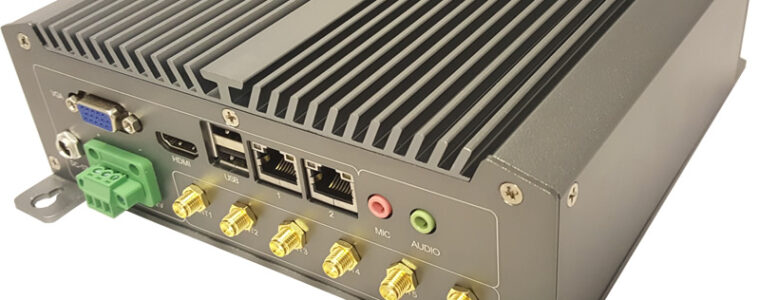
A 5G bonded router is a networking device that combines one or more 5G connections with additional mobile (and sometimes fixed) connections into a single bonded data link.
Using cellular bonding technology, the router:
- Actively uses multiple connections at the same time
- Distributes traffic intelligently based on performance
- Maintains connectivity even if one connection fails
In practice, most 5G bonded routers operate as hybrid devices, bonding:
- 5G
- 4G LTE
- Multiple SIMs
- Multiple mobile network operators
This hybrid approach is critical for real‑world deployments.
What Changes with 5G Bonding?
1. Higher Potential Throughput
The most visible change with 5G bonding is speed.
Where 5G coverage is available, bonded solutions can deliver:
- Significantly higher downstream and upstream bandwidth
- Better support for data‑heavy applications
- Improved performance for real‑time services such as video and AI workloads
When combined with other active connections, 5G can dramatically raise overall throughput within a bonded link.
2. Lower Latency (Where Available)
5G offers lower latency than previous generations—but this benefit depends on:
- Network deployment type
- Local coverage
- Backhaul capacity
In a bonded environment, lower‑latency 5G links can be prioritised dynamically, helping to reduce overall response times for latency‑sensitive applications.
3. Greater Flexibility in Network Design
A 5G bonded router allows organisations to design connectivity strategies that adapt as coverage improves.
This includes:
- Using 5G where it’s strong
- Seamlessly falling back to 4G where it’s not
- Bonding across multiple operators for consistency
This flexibility is particularly valuable in mobile and regional UK deployments, where 5G availability can vary significantly.
What Doesn’t Change with 5G Bonding?
Despite the evolution of mobile technology, several fundamentals remain exactly the same.
1. Resilience Still Comes from Bonding, Not 5G Alone
5G does not eliminate:
- Coverage gaps
- Localised outages
- Congestion in busy areas
A single 5G connection—however fast—can still fail.
True resilience comes from multi‑network bonding, not from relying on one high‑performance link. Bonding remains essential for protecting uptime, particularly in critical operations.
2. Multi‑Network Still Matters
Even with 5G, no single UK mobile network offers complete coverage or guaranteed availability everywhere.
5G multi‑network bonding allows organisations to:
- Combine SIMs from different operators
- Avoid reliance on one provider
- Maintain connectivity during outages or maintenance
- Improve overall consistency nationwide
This approach remains a cornerstone of resilient mobile networking.
3. Bonding Is Still About Continuity, Not Just Speed
Cellular bonding technology was designed to solve uptime and continuity challenges, not just bandwidth limitations.
A bonded solution continues to:
- Preserve active sessions
- Prevent session drops
- Maintain VPN and cloud connectivity
- Support real‑time applications
These benefits apply whether the bonded links are 4G, 5G, or a mixture of both.
5G Multi‑Network Bonding in Real‑World UK Deployments
Most UK deployments today use hybrid bonding, combining:
- 5G where available
- 4G LTE for reach and reliability
- Multiple networks for resilience
This reflects the reality that:
- 5G coverage is expanding but not universal
- Performance varies by location
- Mobile environments are unpredictable
A well‑designed bonded solution adapts continuously, rather than assuming ideal conditions.
Use Cases Where 5G Bonding Delivers Value
Mobile Operations
Field teams benefit from higher throughput for cloud tools while maintaining uptime through bonded resilience.
Live Data and Monitoring
5G improves performance, while bonding ensures continuity when networks fluctuate.
Transport and Roadside Systems
5G supports data‑heavy applications; bonding protects against coverage gaps.
Temporary and Rapid Deployments
Hybrid 5G/4G bonding enables fast setup without compromising reliability.
5G Bonding vs Single‑Link 5G Routers
It’s important not to confuse a 5G router with a 5G bonded router.
A single‑SIM 5G router:
- May deliver high speed
- Still has a single point of failure
- Offers limited resilience
A bonded solution:
- Uses 5G as part of a wider strategy
- Maintains uptime during network issues
- Supports mission‑critical operations
For many organisations, this distinction determines whether connectivity is merely fast—or truly reliable.
How EMS Approaches 5G Bonded Connectivity
EMS treats 5G as an enhancement to bonded networking—not a replacement for it.
EMS solutions are designed to:
- Integrate 5G into multi‑network bonded architectures
- Support both 5G and 4G simultaneously
- Optimise performance dynamically
- Prioritise uptime, resilience, and operational continuity
This ensures that customers benefit from 5G advancements without sacrificing reliability.
Final Thoughts
5G represents a major step forward for mobile connectivity—but it doesn’t change the core principles of resilient networking.
What changes:
- Higher speeds
- Lower latency in supported areas
- Greater potential performance
What doesn’t:
- The need for bonding
- The value of multi‑network resilience
- The importance of uptime and continuity
A 5G bonded router brings the best of both worlds—next‑generation performance combined with proven cellular bonding technology.
Related EMS Articles
- What Is Bonded Cellular Networking? A Complete Guide for UK Businesses
- Bonded Router vs Failover Router: What’s the Difference?
- How Multi‑Network Bonding Improves Uptime in Mobile Operations