
For organisations operating outside traditional fixed‑line environments, reliable connectivity is critical. Whether supporting emergency responders, maintaining utility infrastructure, or delivering live events, mobile operations demand continuous uptime—often in locations where network conditions are unpredictable.
This is where multi‑network bonding plays a vital role.
By aggregating multiple mobile networks into a single, intelligent connection, multi‑network bonding dramatically improves network resilience and mobile connectivity uptime, even in the most challenging environments.
Why Mobile Operations Are Vulnerable to Downtime
Mobile and remote operations face unique connectivity challenges, including:
- Variable signal strength
- Network congestion during peak usage
- Localised outages
- Physical movement between coverage zones
- Limited or non‑existent fixed broadband
Relying on a single cellular network—or even basic failover—introduces risk. When connectivity underpins safety, service delivery, or real‑time decision‑making, even brief outages can have serious consequences.
What Is Multi‑Network Bonding?
Multi‑network bonding combines multiple live mobile network connections—typically across different UK network operators—into a single logical data link.
Instead of treating each SIM independently, a bonded solution:
- Actively uses all connections at the same time
- Continuously monitors performance
- Dynamically distributes traffic
- Automatically compensates for network loss or degradation
This approach creates a connection that is far more resilient than any individual mobile network alone.
How Multi‑Network Bonding Improves Mobile Connectivity Uptime
1. No Single Point of Failure
With multi‑network bonding, the failure of one network does not result in a loss of connectivity.
If one SIM experiences:
- Signal loss
- Increased latency
- Packet loss
- A complete outage
Traffic is instantly rerouted over the remaining connections—often with no visible interruption to applications or users.
This is a key reason bonded solutions consistently deliver higher uptime than single‑network or failover‑only designs.
2. Real‑Time Performance Optimisation
Multi‑network bonding doesn’t wait for failure—it adapts proactively.
Modern bonding technology:
- Measures network health in real time
- Adjusts traffic based on latency and throughput
- Reduces reliance on congested networks
- Maintains consistent performance
This is especially important in mobile scenarios where network conditions can change minute by minute.
3. Seamless Session Continuity
In many mobile operations, maintaining live sessions is essential.
Bonded connections are designed to:
- Preserve active sessions
- Prevent dropped calls and streams
- Maintain VPN and cloud connections
- Support real‑time data flows
This makes multi‑network bonding ideal for video, monitoring systems, AI workloads, and command‑and‑control applications.
Network Resilience Through Multiple UK Mobile Networks
One of the biggest advantages of multi‑network bonding in the UK is the ability to operate across multiple mobile operators simultaneously.
By combining SIMs from different networks, organisations can:
- Avoid dependency on a single provider
- Mitigate localised coverage gaps
- Maintain service during network maintenance or outages
- Deliver more consistent nationwide performance
This approach significantly strengthens overall network resilience, particularly in mobile and regional deployments.
Use Case: Emergency Services
Emergency services operate in dynamic, high‑pressure environments where reliable connectivity is critical.
Key Requirements:
- Always‑on communications
- Real‑time access to systems and data
- Reliability in congested or disaster‑affected areas
How multi‑network bonding helps
- Maintains connectivity even when networks are overloaded
- Preserves live video and data feeds
- Enables mobile command units to remain operational anywhere
Bonded connectivity helps ensure that communications remain available when they matter most.
Use Case: Utilities and Critical Infrastructure
Utilities often manage:
- Remote assets
- Unmanned sites
- Field teams working across wide geographic areas
Connectivity outages can disrupt monitoring, diagnostics, and response times.
How multi‑network bonding helps
- Provides resilient connectivity to remote and rural locations
- Maintains access to control and monitoring systems
- Supports predictable uptime for critical infrastructure
This is particularly valuable where fixed‑line connections are unavailable or unreliable.
Use Case: Live Events and Temporary Deployments
Events rely on temporary connectivity that must perform immediately—often in areas with high network congestion.
Common challenges:
- Saturated mobile networks
- No fixed infrastructure
- High upstream bandwidth demand
How multi‑network bonding helps
- Aggregates bandwidth for stable performance
- Reduces impact of congested cells
- Delivers reliable connectivity for operations, monitoring, and live services
Bonded mobile connectivity provides the confidence needed for time‑critical deployments.
Bonding vs Traditional Failover
Traditional failover solutions switch connections after a failure occurs.
Multi‑network bonding prevents the failure from impacting operations in the first place.
| Feature | Failover Router | Multi‑Network Bonding |
| Uptime | Reactive | Proactive |
| Session Drops | Likely | Prevented |
| Bandwidth Aggregation | No | Yes |
| Network Resilience | Limited | High |
For mission‑critical mobile operations, this difference is decisive.
How EMS Delivers Resilient Mobile Connectivity
EMS designs bonded connectivity solutions specifically for UK mobile and remote operations, combining:
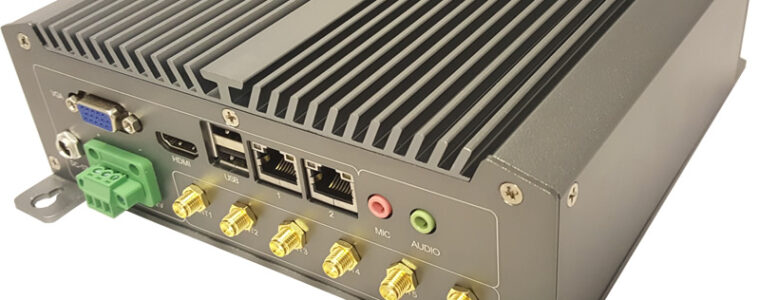
- True multi‑network bonded routers
- UK‑wide mobile network strategies
- Optional fixed IP SIMs for secure access
- Proven performance in critical environments
EMS solutions are engineered to prioritise uptime, resilience, and operational continuity—not just basic connectivity.
Final Thoughts
Mobile operations face constant variability, but downtime doesn’t have to be inevitable.
By using multi‑network bonding, organisations can dramatically improve mobile connectivity uptime, strengthen network resilience, and ensure operations continue even when individual networks fail.
For emergency services, utilities, and live events, bonded mobile connectivity has become a strategic enabler—supporting reliable service delivery wherever operations take place.
Related EMS Articles
- What Is Bonded Cellular Networking? A Complete Guide for UK Businesses
- Bonded Router vs Failover Router: What’s the Difference?
- Fixed IP SIM Cards Explained: Secure Remote Access Over Mobile Networks