
Reliable connectivity is no longer a “nice to have” for UK businesses. From mobile operations and remote sites to smart transport and public safety, downtime is costly, disruptive, and sometimes dangerous.
This is where bonded cellular networking comes in.
In this guide, we explain what bonded cellular networking is, how cellular bonding technology works, and why bonded cellular routers are increasingly used across UK industries that depend on resilient, always‑on connectivity.
What Is Bonded Cellular Networking?
Bonded cellular networking is a method of combining multiple mobile data connections into a single, resilient, high‑performance connection.
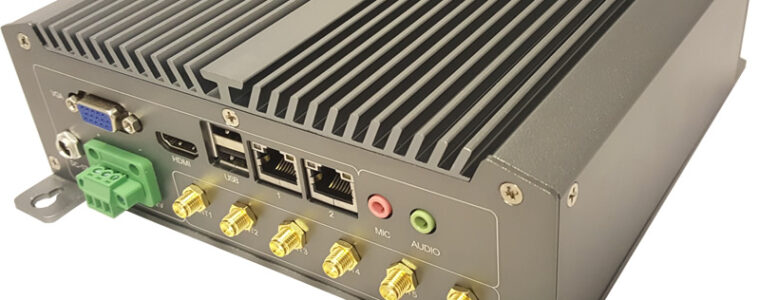
Instead of relying on one SIM card or one mobile network, a bonded cellular router aggregates multiple LTE and/or 5G connections—often from different UK networks—to create a single, logical data link.
This delivers three core benefits:
- Higher reliability – if one network fails, traffic continues over the others
- Greater bandwidth – data is shared across multiple connections
- Improved uptime – significantly reduced risk of total outage
Bonded cellular networking is widely used in environments where fixed‑line broadband is unavailable, unreliable, or too slow—but also where standard mobile failover is not sufficient.
How Cellular Bonding Technology Works
Cellular bonding technology works by splitting data traffic into packets and distributing those packets across multiple live connections simultaneously.
Key Components of Cellular Bonding
A typical bonded setup includes:
- A bonded cellular router
- Multiple SIM cards (often across different UK networks)
- A bonding engine that manages traffic distribution
- Secure tunnelling to recombine data streams at the destination
Unlike simple load balancing, true bonding dynamically adapts traffic flows based on:
- Available bandwidth
- Latency
- Packet loss
- Network stability
If one network degrades or drops completely, traffic is instantly rerouted with no manual intervention—and often with no noticeable impact to the application.
Bonded Cellular Router vs Failover Router
This distinction is critical—and often misunderstood.
Failover Routers
- Use one active connection at a time
- Switch only after a connection fails
- Typically involve brief outages during switchover
- Do not increase bandwidth
Bonded Cellular Routers
- Use multiple connections simultaneously
- No single point of failure
- Aggregate bandwidth across networks
- Maintain sessions during network loss
For business‑critical applications—especially live data, video, cloud access, and AI workloads—bonded cellular routers provide far superior resilience.
Why UK Businesses Are Adopting Bonded Cellular Networking
Across the UK, bonded cellular is increasingly used for:
1. Mobile and Remote Operations
Construction sites, temporary locations, mobile command units, and events often lack reliable fixed connectivity. Bonded cellular offers rapid deployment with carrier‑grade resilience.
2. Mission‑Critical Services
Emergency services, utilities, and public sector organisations rely on uninterrupted connectivity where even seconds of downtime matter.
3. Transport and Infrastructure
Roadside systems, smart transport, and traffic monitoring depend on real‑time data transmission—often in locations where fixed lines cannot reach.
4. Business Continuity and Backup
Bonded cellular is frequently deployed as a primary connection, not just a backup, particularly where fixed broadband reliability is poor.
The Role of Multi‑Network Bonding in the UK
One of the key advantages of bonded cellular networking in the UK is the ability to operate across multiple mobile operators.
A bonded cellular router can combine SIMs from different UK networks, helping to mitigate:
- Localised outages
- Coverage gaps
- Network congestion
- Planned maintenance
This approach offers far greater resilience than using multiple SIMs on a single network.
4G, 5G, and Hybrid Bonding
Modern bonded cellular routers support multiple access technologies, including:
- 4G LTE bonding – still essential for wide UK coverage
- 5G bonding – higher throughput and lower latency where available
- Hybrid bonding – combining cellular with fixed or satellite connections
The flexibility to bond different connection types ensures performance is optimised for location and availability, rather than relying on a single technology.
Common Use Cases for Bonded Cellular Routers
Live Video & Streaming
Bonding enables stable upstream bandwidth for video feeds, even over fluctuating mobile networks.
Secure Remote Access
When paired with fixed IP SIMs, bonded routers provide secure, predictable access to remote devices and networks.
Smart Transport & Road AI
Roadside cameras, sensors, and AI systems rely on constant data flow and minimal latency—bonded cellular ensures reliability at the network edge.
Utilities & Field Operations
Mobile teams and unmanned sites benefit from resilient connectivity without reliance on fixed infrastructure.
Security Considerations
Bonded cellular networking is not just about performance—it also supports strong security architectures.
Key considerations include:
- Encrypted tunnels between bonded endpoints
- Integration with VPNs and private networks
- Fixed IP addressing for controlled access
- Network segregation for critical services
When deployed correctly, bonded cellular can form part of a highly secure, enterprise‑grade connectivity strategy.
When Is Bonded Cellular the Right Choice?
Bonded cellular networking may be the right fit if your organisation:
- Cannot rely on a single network connection
- Experiences frequent mobile dropouts or congestion
- Needs guaranteed uptime
- Requires reliable connectivity in remote or mobile locations
- Supports real‑time or latency‑sensitive applications
For many UK businesses, bonded cellular is no longer a niche technology—it is a strategic connectivity foundation.
How EMS Delivers Bonded Cellular Connectivity
EMS designs bonded cellular solutions specifically for UK operational environments, combining:
- Enterprise‑grade bonded cellular routers
- Multi‑network SIM strategies
- Optional fixed IP SIMs for secure access
- Support for transport, public sector, and business‑critical deployments
EMS solutions are engineered to prioritise resilience, security, and long‑term operational reliability.
Final Thoughts
Bonded cellular networking represents a significant step beyond traditional mobile connectivity. By combining multiple networks into a single, resilient connection, bonded cellular routers provide the performance and reliability modern UK businesses demand.
As mobile networks continue to evolve, cellular bonding technology will remain a key enabler for always‑on operations—wherever connectivity is needed.
Read more about the OptiBond range
Related EMS Articles
- Fixed IP SIM Cards Explained: Secure Remote Access Over Mobile Networks
- Bonded Router vs Failover Router: What’s the Difference?
- Road AI & Smart Transport: How Real‑Time Connectivity Enables Safer Roads