Pop-up retail, temporary events, exhibitions, and short-term sites are growing rapidly across the UK. But while these environments offer flexibility and new revenue opportunities, they also come with a major challenge:
Reliable internet connectivity—without permanent infrastructure
From card payments and ticketing systems to live demos and guest WiFi, connectivity is essential. Yet traditional broadband simply isn’t built for temporary setups.
In ...
Internet downtime isn’t just an IT issue—it’s a direct financial threat to your business.
As UK organisations become increasingly reliant on cloud systems, digital payments, and real-time data, even a short outage can trigger a cascade of revenue loss, productivity disruption, and reputational damage.
But how much does downtime really cost?
In this guide, we unpack the true cost of downtime for UK businesses, backed by real data—and explain why in...
In today’s digital-first landscape, live streaming has become a core part of events—from corporate conferences and product launches to festivals and live broadcasts. But delivering high-quality streams in real time requires one critical component:
Reliable, high-performance internet connectivity
Unfortunately, event environments are often unpredictable, with limited infrastructure and heavy network demand. This is where bonded 5G internet is transfor...
For modern retailers, internet connectivity isn’t just important—it’s critical to revenue.
From processing card payments to managing stock systems and running cloud-based POS platforms, your entire operation depends on being online. So what happens when your internet goes down?
For many UK retailers, the answer is simple: lost sales, frustrated customers, and immediate financial impact.
In this article, we explore why retail internet backup is ess...
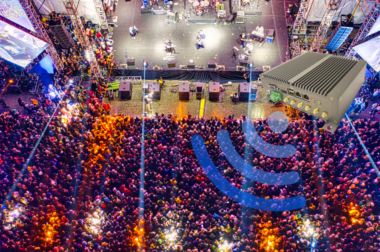
Whether it’s a corporate conference, festival, exhibition, or pop-up activation, one thing is certain: reliable internet is critical to event success.
From ticketing systems and live streaming to exhibitor connectivity and guest WiFi, modern events rely on fast, stable networks. Yet event environments are notoriously difficult when it comes to connectivity.
In this guide, we explore the top connectivity challenges for events—and how temporary connect...
Reliable connectivity has long been a challenge for remote locations across the UK. From construction sites and rural offices to agricultural operations and temporary deployments, traditional broadband options are often unavailable or unreliable.
Two technologies are now reshaping what’s possible: Starlink satellite broadband and 5G bonded internet.
But when comparing Starlink vs 5G, which is the best choice for your business?
In this guide, we ex...
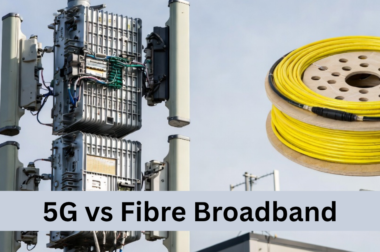
Reliable, high-speed internet is essential for modern businesses—but choosing the right connectivity option can be challenging. Two of the most talked-about solutions today are 5G business internet and fibre broadband.
So, how do they compare? And more importantly, which is better for your business in the UK?
In this guide, we break down 5G vs fibre UK performance, reliability, cost, and real-world use cases to help you make an informed decision.
Wh
Reliable internet is now mission-critical for UK businesses. From cloud applications and VoIP systems to remote working and customer transactions, connectivity underpins almost every operation. Yet many organisations still struggle with slow speeds, outages, and inconsistent performance—especially outside major cities.
Enter bonded routers—a powerful solution designed to combine multiple internet connections into one fast, resilient link.
In this gui...
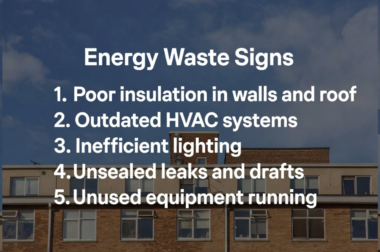
Energy waste is one of the biggest hidden costs in commercial buildings. With rising energy prices and increasing regulatory pressure, inefficiencies that once went unnoticed are now directly impacting profitability, ESG performance, and compliance.
The challenge is that energy waste is not always obvious. Without the right tools, many buildings operate inefficiently for years without detection.
Here are the top 5 signs your building is wasting energ...
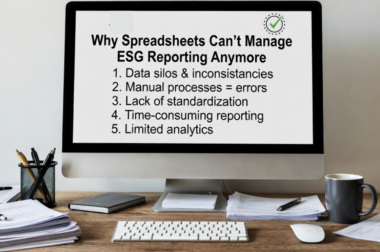
For years, spreadsheets have been the default tool for managing building data. From energy tracking to sustainability reporting, many organisations still rely on manual processes to meet ESG requirements.
But as regulations tighten and data complexity increases, spreadsheets are no longer fit for purpose.
In 2026 and beyond, building owners face growing pressure to deliver accurate, real-time, and auditable ESG data. Achieving this with spreadsheets ...